Systematically Eliminating Forced Labour
We envision a world where all of us - businesses, governments, investors, civil society, end-consumers – are empowered with what we need to play our part in the systematic elimination and prevention of all forms of unethical labour.
What is Forced Labour?
Forced Labour is an umbrella term for a broad spectrum of illegal practices that deprive individuals of income, their freedom and violate their fundamental human rights. Read more.
A Growing Crisis: The Hidden Impact of Forced Labour
27.6 million people are currently trapped in forced labour conditions and - despite all efforts to date - numbers are growing significantly. This transnational crime preys on society’s most vulnerable, disproportionately affecting women and children.
Forced labour lurks in the shadows, mostly buried deep within complex global supply chains. It undermines human dignity, exploits the powerless and generates billions in profits annually for criminals. Despite being illegal in every country, forced labour continues to thrive due to a complex array of system-level factors which interrelate to cause a seemingly unstoppable problem.
people - mostly women and children -trapped in forced labour situations.
more people are added every day, highlighting the need for urgent, collective action.
A Unified Front Against Forced Labour
Forced labour cannot be eradicated by one entity alone—it requires a coordinated, collaborative global effort. Governments, businesses, civil society, consumers, capital markets and the media each have a vital role to play in systematically addressing this pervasive issue. Together, we can drive meaningful change and dismantle the systems that enable forced labour to persist.
Leading Through Legislation and Enforcement
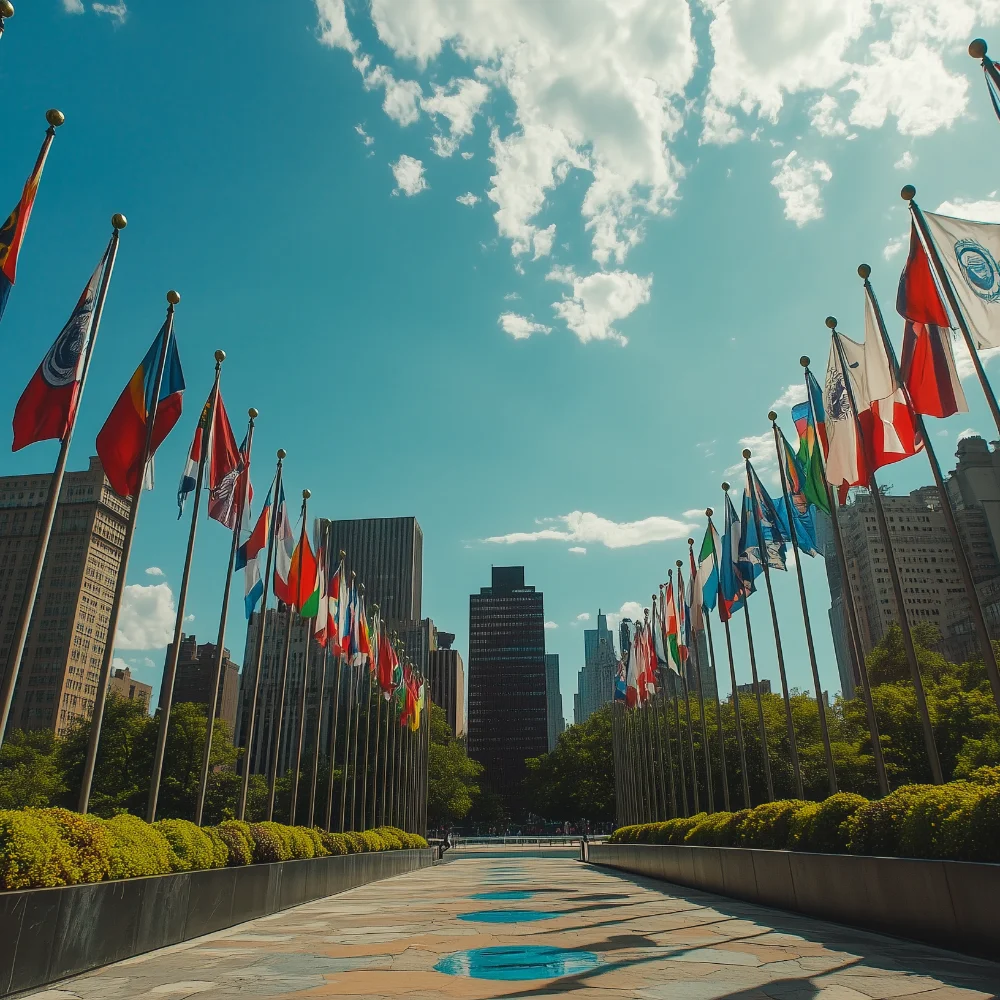
Forced labour is illegal in every country, but enforcement gaps remain. Governments must take the lead by enacting robust ethical labour legislation, mandating compliance, and addressing domestic human rights issues as they arise. Strong governance and accountability are essential to disrupting the networks that exploit vulnerable populations.
Driving Transparency and Ethical Practices
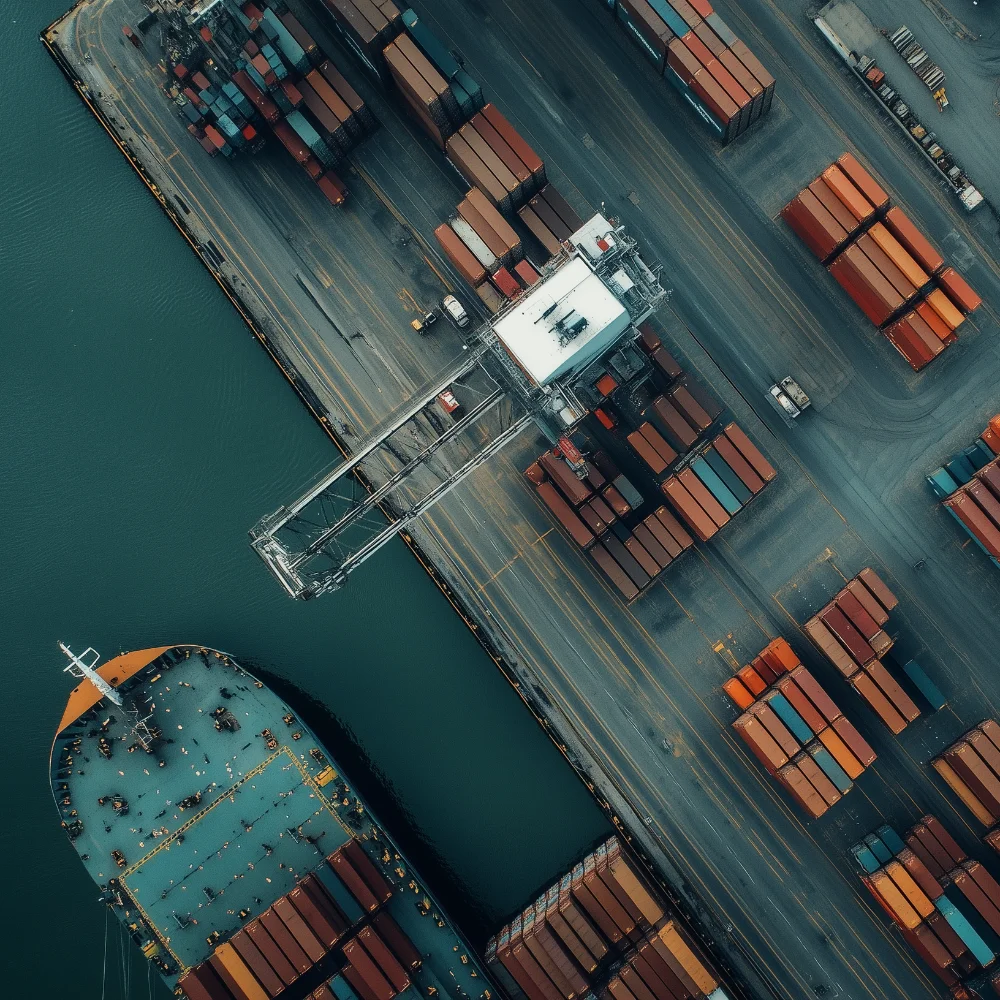
Businesses are at the forefront of eliminating forced labour within global supply chains. The Ethical Labour Foundation (ELF) together with our tech partner Responsible Capital AI (RCAI) empower companies to go beyond compliance with anti-slavery laws and build brand value as ethical leaders. Through transparency, due diligence, and collaboration, businesses can ensure their operations reflect a commitment to human rights.
Amplifying Advocacy and Field Intelligence
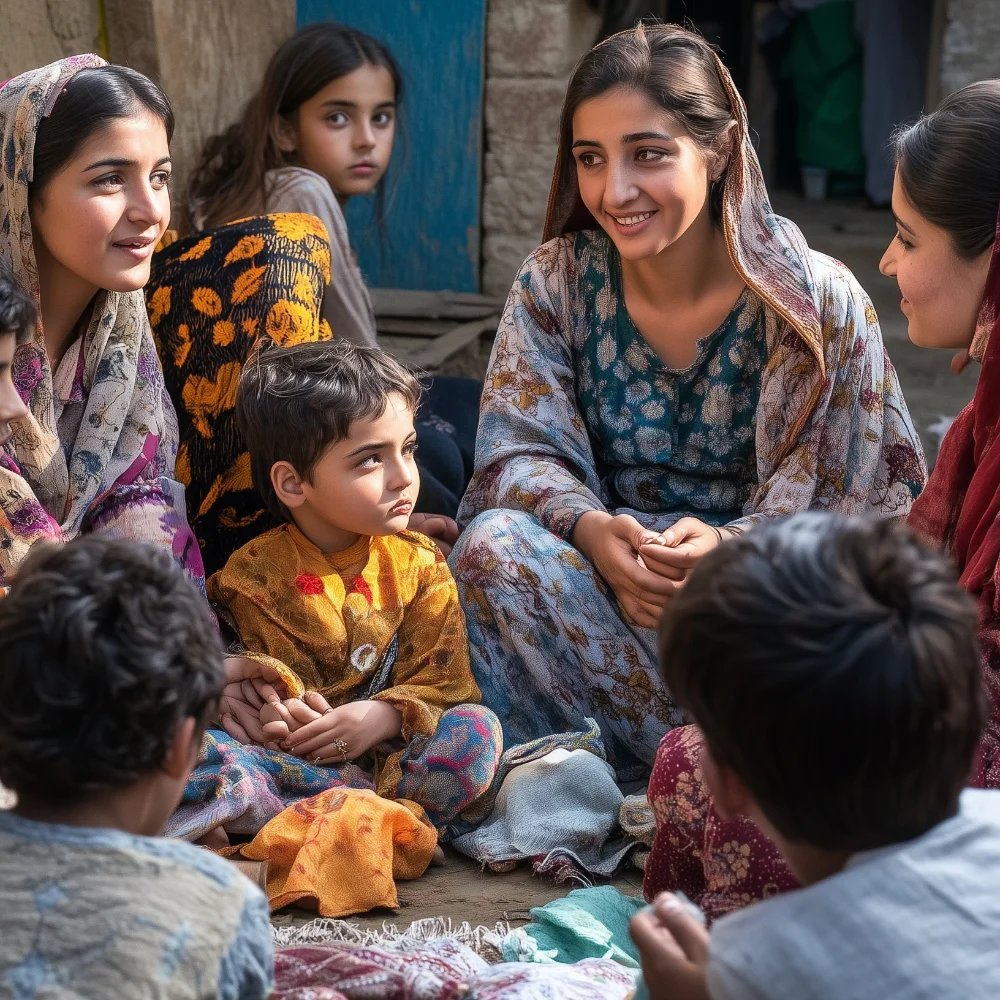
Civil society organisations—faith-based groups, industry bodies, NGOs, and trade unions—play a critical role in the fight against forced labour. These groups provide on-the-ground intelligence, advocate for victims, and hold corporations and governments accountable. Partnering with Ethical Labour Foundation ensures a comprehensive, grassroots approach to dismantling forced labour and human trafficking networks.
Empowering Change Through Informed Buying Decisions
End-consumers are unwittingly sustaining forced labour practices by buying the goods produced using it. Research conducted by SlaveCheck showed that consumers are ready and willing to play their part in eliminating forced labour if they are informed about which products are ethical and which ones aren’t.

Investing for Change
The rise of responsible investing has empowered investors with influence over the companies they invest in, and a responsibility to use that influence to guide the systematic elimination of modern slavery simply by investing in companies running ethical businesses and directing funds away from bad actors.

Raising Global Awareness
The rich G20 countries consume over 80% of goods produced with forced labour. Why is there not global outrage that behind the seafood we import, 66 Titanic's of people (+100,000) die at sea each year? How many more stories are there like this? Could there be any more important job for the media than raising global awareness of this scourge on humanity?

Be part of the solution
Everyone has a role to play. Join our global movement to eliminate forced labour and create a future where everyone has an opportunity to earn a living wage and live their life with dignity.
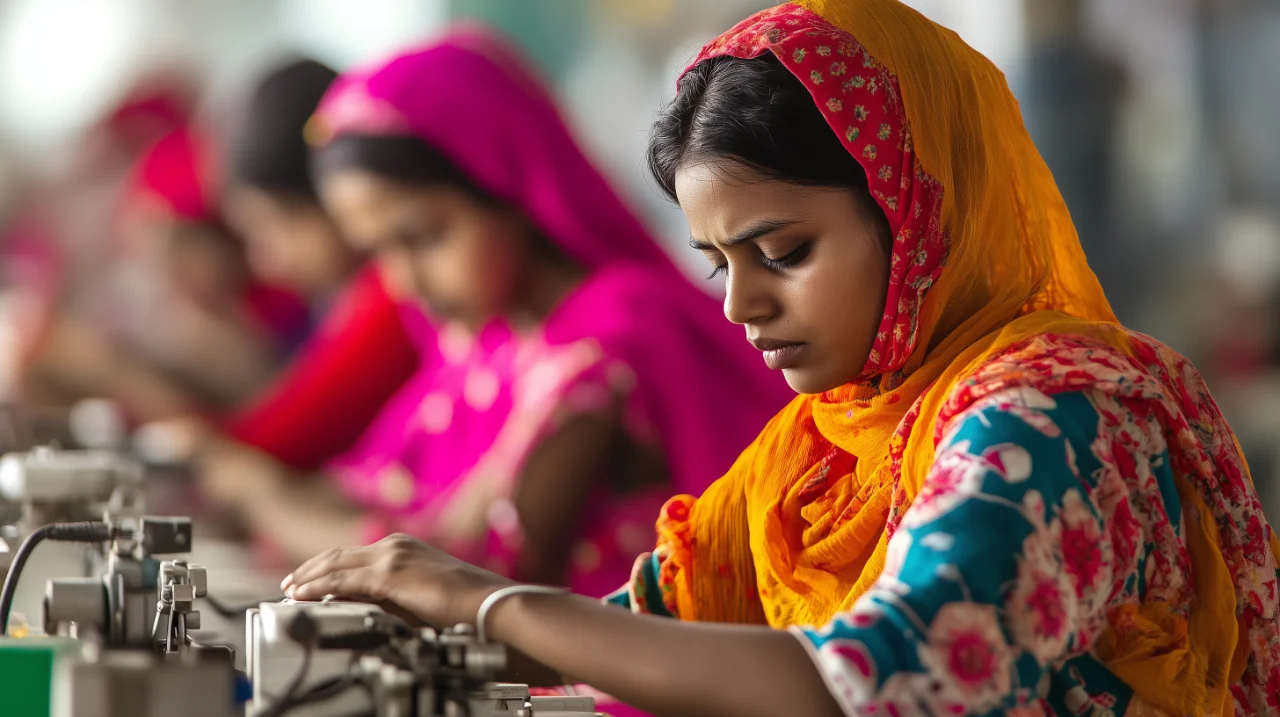
Explore our latest insights and resources
Explore the latest research, policy updates, media releases, and expert insights on forced labor and human trafficking. Stay informed and take action with Ethical Labour Foundation.
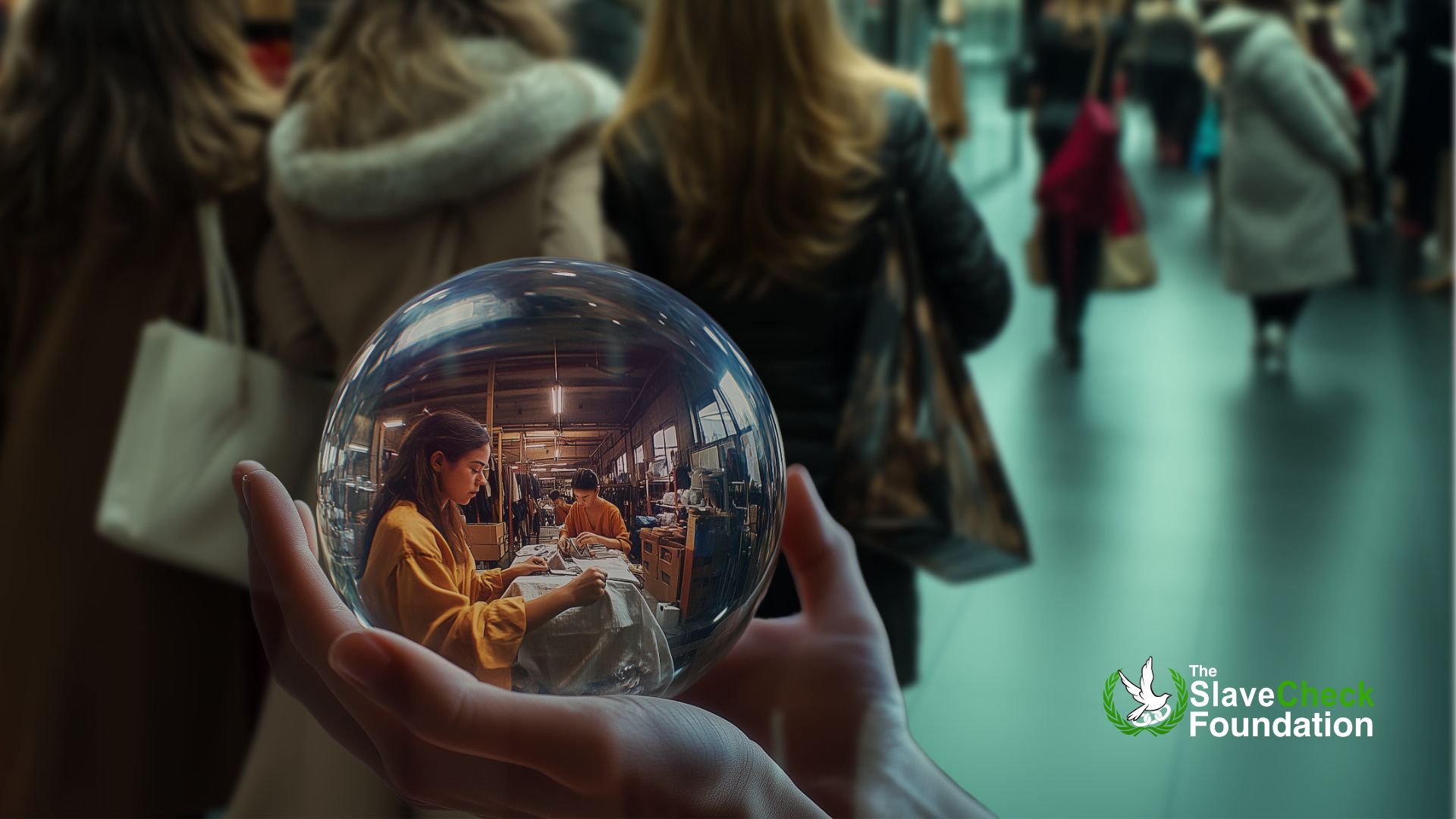
Beyond the Headlines: Unveiling Realities of Modern Slavery in Australia
Beyond the Headlines: Unveiling Realities of Modern Slavery in Australia
What is Forced Labour? A Global Perspective on Unethical Labour Practices
What is Forced Labour? A Global Perspective on Unethical Labour Practices
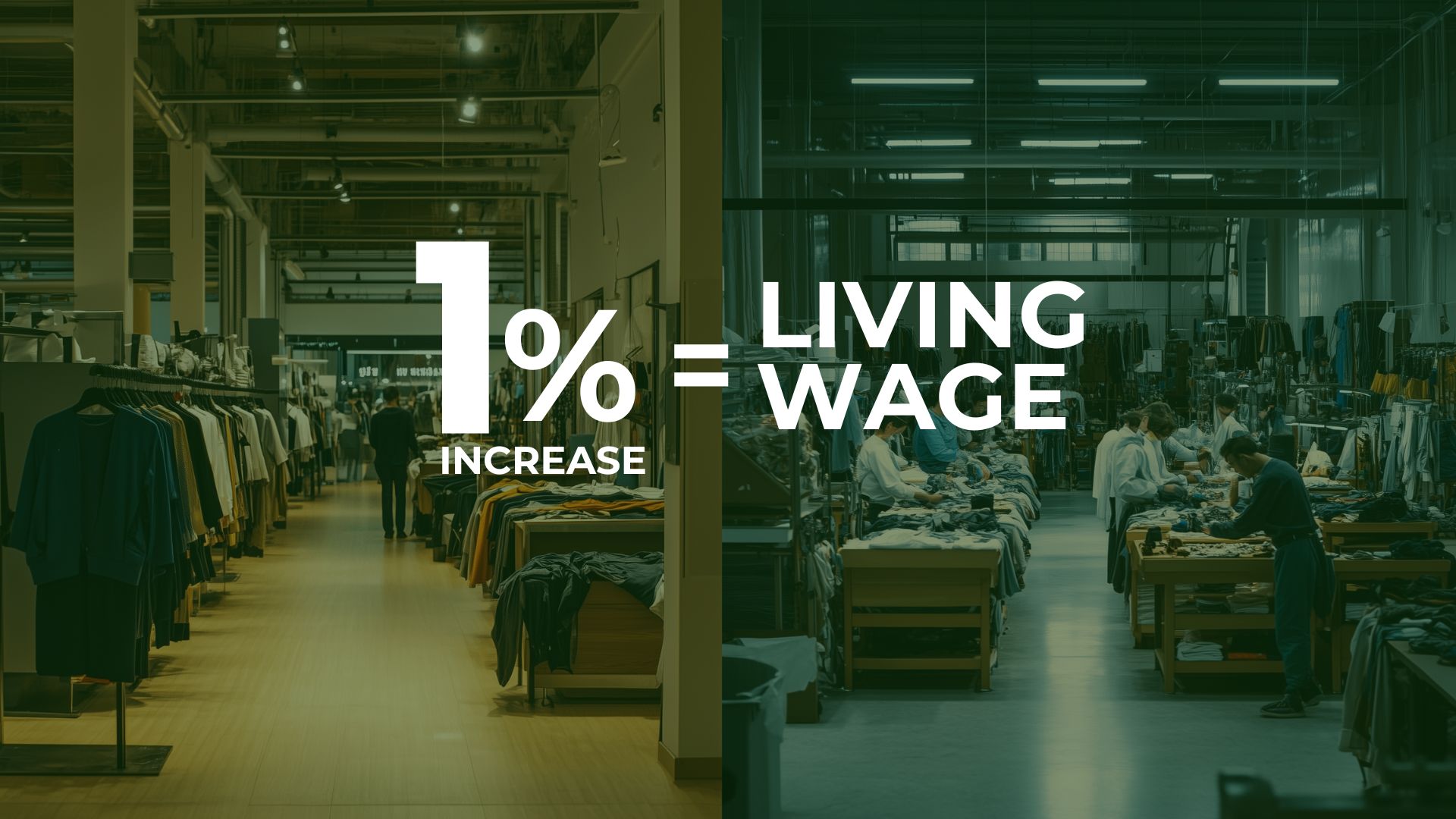
An Extra 5c on a $5 Shirt: Paying a Living Wage Won’t Change Much for Consumers, but Can Transform Lives for Workers